Emergency Tooth Pain Boise
Emergency tooth pain can stop your day fast. A toothache may start as a dull irritation and then become sharp, throbbing, constant, or difficult to manage. When tooth pain becomes severe, wakes you up, spreads into the jaw, or makes it hard to eat, it is time to treat the problem as urgent.
People in Boise often search for emergency tooth pain help when they are no longer comfortable waiting for a routine appointment. The pain may be coming from decay, a cracked tooth, an infection, a damaged filling, exposed nerves, gum inflammation, or trauma. You may not know the cause, but strong tooth pain is the signal that something needs attention.
Emergency Dental Boise helps patients looking for fast guidance when tooth pain becomes active and disruptive. If the pain is severe, getting worse, or paired with swelling, pressure, fever, or a bad taste, do not wait and hope it disappears.
When Tooth Pain Becomes A Dental Emergency
Tooth pain should be treated as an emergency when it is severe, constant, worsening, or connected to swelling. Pain that keeps you from sleeping, eating, working, or focusing should not be ignored. If the tooth hurts when you bite down, reacts strongly to hot or cold, or throbs without stopping, urgent evaluation may be needed.
Some toothaches come and go. Others build throughout the day and become harder to control. Pain that improves with over-the-counter medication but returns quickly can still point to a deeper dental issue. Pain that radiates toward the ear, temple, jaw, or neck may also need prompt attention.
If you have swelling in the gums, jaw, or face, the concern becomes more serious. Swelling can be connected to infection or abscess. If swelling affects breathing, swallowing, or your ability to open your mouth, seek emergency medical care immediately. We offer
same-day emergency dentist or
24-hour emergency dental.
Common Causes Of Severe Tooth Pain
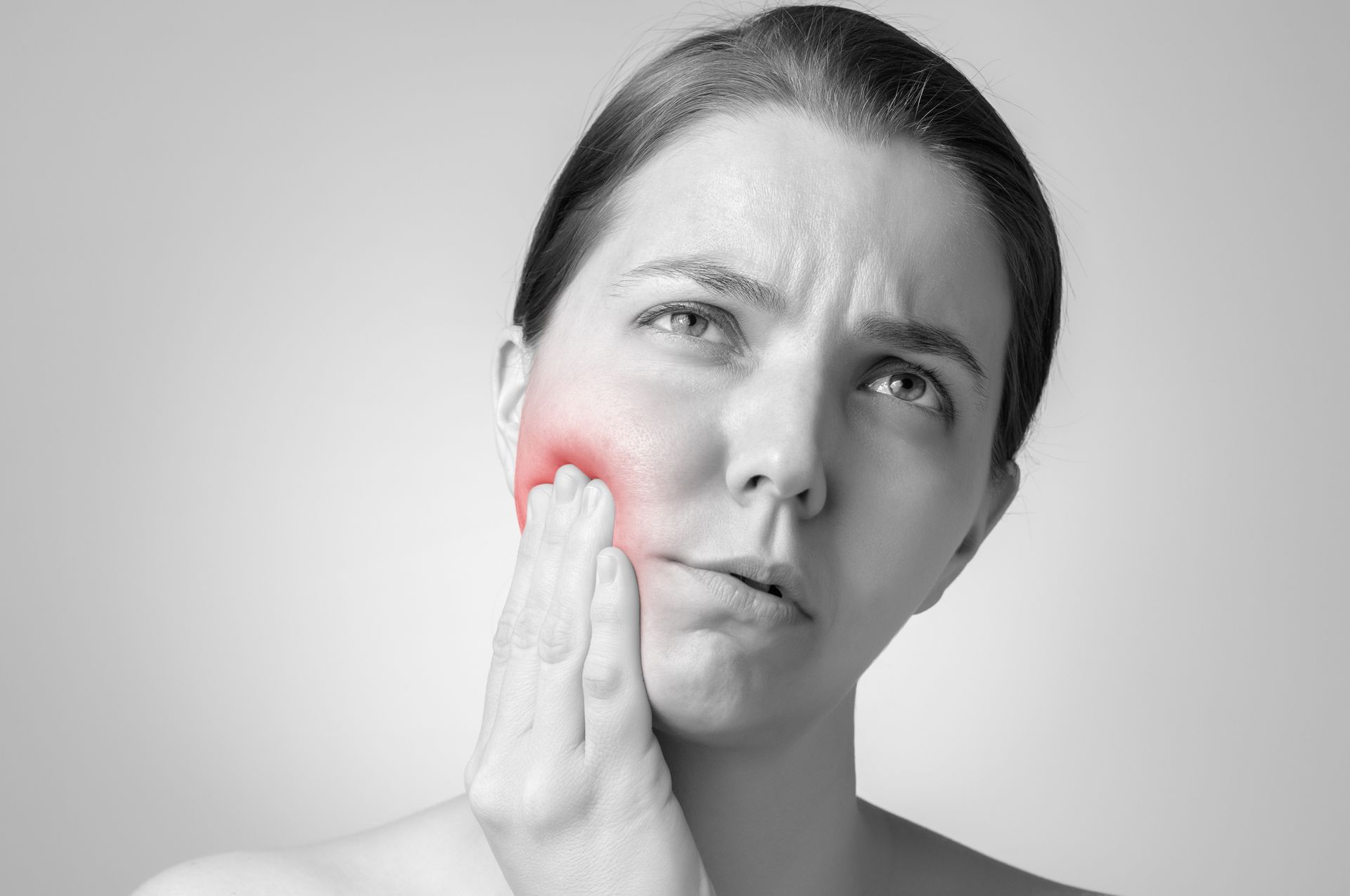
Severe tooth pain can come from several dental problems. Deep decay can irritate the nerve inside the tooth. A cracked tooth can hurt when biting because pressure moves through the fracture. A lost filling can expose sensitive inner tooth structure. A damaged crown can leave the tooth vulnerable. Gum infection can create pressure and tenderness around the tooth.
Abscessed teeth are another common cause of urgent pain. An abscess may create throbbing, swelling, pressure, drainage, or a bad taste in the mouth. The pain may feel deep, intense, or hard to locate at first. Some patients notice that the tooth feels taller or more sensitive when they bite.
Dental trauma can also cause emergency pain. A fall, sports injury, car accident, or bite injury can loosen, crack, or damage a tooth. Even if the tooth looks normal, pain after trauma should be evaluated.
Tooth Pain With Swelling Or Pressure
Tooth pain with swelling deserves quick action. Swelling may appear near the gumline, around the jaw, under the cheek, or along the face. It may feel warm, tender, tight, or painful to touch. Pressure around the root of the tooth can also signal infection.
Some people wait because they think swelling will go down on its own. That can be risky. Dental infections can become more serious when they are not treated. If the infection is trapped around the tooth root or gums, symptoms may continue to build.
When tooth pain and swelling happen together, call for emergency dental guidance. The dentist may need to evaluate whether treatment could involve drainage, antibiotics, root canal therapy,
extraction, or another urgent step. The right answer depends on the cause and severity of the infection.
Tooth Pain From A Broken Or Cracked Tooth
A broken or cracked tooth can cause sharp pain, especially when chewing. The pain may happen only when biting down or when releasing the bite. Temperature sensitivity can also be a sign that the inner layers of the tooth are exposed or irritated.
Cracked teeth are not always easy to see. A tooth may look mostly intact but still hurt because the fracture extends below the visible surface. A broken piece, rough edge, or missing filling can also make the tooth sensitive to air, food, and liquids.
If you suspect a broken tooth is causing the pain, avoid chewing on that side. Save any tooth fragments if possible. Do not ignore the issue simply because the pain comes and goes. Cracks can worsen, and exposed tooth structure can become more painful over time.
What To Do While Waiting For Dental Help
While waiting for emergency tooth pain help, rinse gently with warm salt water and keep the area clean. Avoid chewing on the painful tooth. Stay away from very hot, cold, sweet, sticky, or hard foods if they trigger pain.
Use a cold compress on the outside of the face if swelling or trauma is present. Follow the directions on any over-the-counter medication you normally use, and avoid placing aspirin directly on the gum or tooth because it can irritate the tissue.
If pain is connected to a lost crown or filling, keep the crown if you have it and bring it with you. If there is bleeding after injury, apply gentle pressure with clean gauze. If a tooth has been knocked out, preserve it in milk if possible and seek urgent care immediately. Our dental appointment are open for
walk-in dentist.
FAQs
Got a question? We’re here to help.
Call Now For Emergency Tooth Pain Help In Boise
If you have severe tooth pain, throbbing, pressure, swelling, or pain when biting, call now for emergency tooth pain help in Boise. Fast guidance can help you understand the next step before the problem becomes harder to manage.